







Quick answer: American companies face a combined squeeze from tariffs, surging fuel prices linked to the Iran war and higher interest rates. Industrial businesses are seeing margins narrow as materials, transportation and inventory financing become more expensive, with smaller, more leveraged companies more immediately exposed to higher rates.
Tariffs, surging fuel prices and higher interest rates are driving rising costs for US companies, squeezing profit margins and forcing difficult decisions about pricing and inventory. Auto suppliers, chemical companies and other industrial businesses are struggling to absorb the combined pressure.
The strain comes from three directions: tariffs imposed under President Donald Trump’s trade policies, higher fuel prices linked to the Iran war, and rising interest rates. Together, these pressures make materials more expensive, increase production and transportation costs, and raise the expense of financing inventory.
Inventory becomes a more expensive commitment
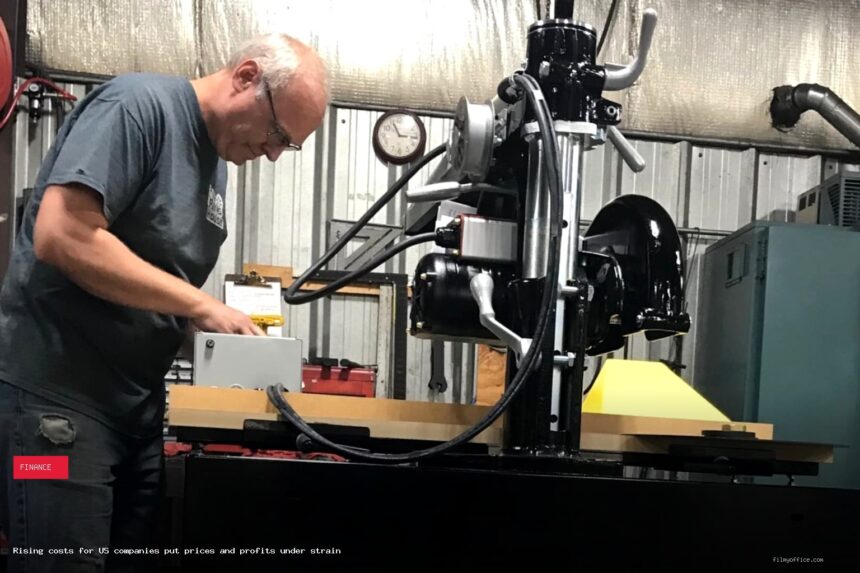
At Original Saw Co. In Britt, Iowa, Allen Eden has been holding extra inventory as he grapples with spiking prices. The 25-person business makes industrial power saws for wood and metalwork.

That example puts a small manufacturer at the centre of a wider business squeeze. Companies face higher prices for materials and goods, while higher interest rates make the stock they finance more costly to hold.
The available account does not specify how much Original Saw’s costs have increased or provide a complete explanation of Eden’s purchasing decisions. It does establish that the business is carrying additional inventory while dealing with rising prices.



Raising prices carries its own risk
Businesses that can pass higher costs on to customers are better positioned to withstand the pressure. For companies serving price-sensitive consumers, however, raising prices too far risks weakening demand.
That leaves industrial businesses caught between absorbing the increases and asking customers to pay more. Auto suppliers and chemical companies are among those already seeing their margins squeezed as they struggle with higher costs.
The effects also reach transportation. Fewer, more expensive flights and freight surcharges are among the consequences described, alongside manufacturers stockpiling inventory and even bankruptcy. The available material does not identify particular airlines or businesses involved in those bankruptcies.
Why company finances matter
The interest-rate pressure is not equal across businesses. Large corporations with substantial cash reserves and longer-term debt are less immediately exposed than smaller companies carrying heavier debt burdens.



That distinction matters alongside the ability to raise prices. A business with financial reserves and room to pass costs through to customers is better positioned than one facing both borrowing pressure and customers unwilling to absorb further increases.
For American companies, the squeeze is therefore about more than any single expense. The combination of costlier goods, higher fuel bills and more expensive inventory financing is testing both profit margins and the flexibility businesses have to respond.
Frequently Asked Questions
Why are costs rising for American companies?
Tariffs are increasing the cost of materials and goods, while surging fuel prices linked to the Iran war are raising production and transportation expenses. Higher interest rates also make inventory more expensive to finance.
Which businesses are facing pressure from higher costs?
Auto suppliers, chemical companies and other industrial businesses are seeing profit margins squeezed. Smaller, more leveraged businesses are more immediately exposed to higher interest rates than large corporations with substantial cash reserves and longer-term debt.
Can companies offset higher costs by raising prices?
Companies that can pass higher costs on to customers are better positioned to manage the squeeze. Businesses facing price-sensitive consumers risk losing demand if they raise prices too much.