



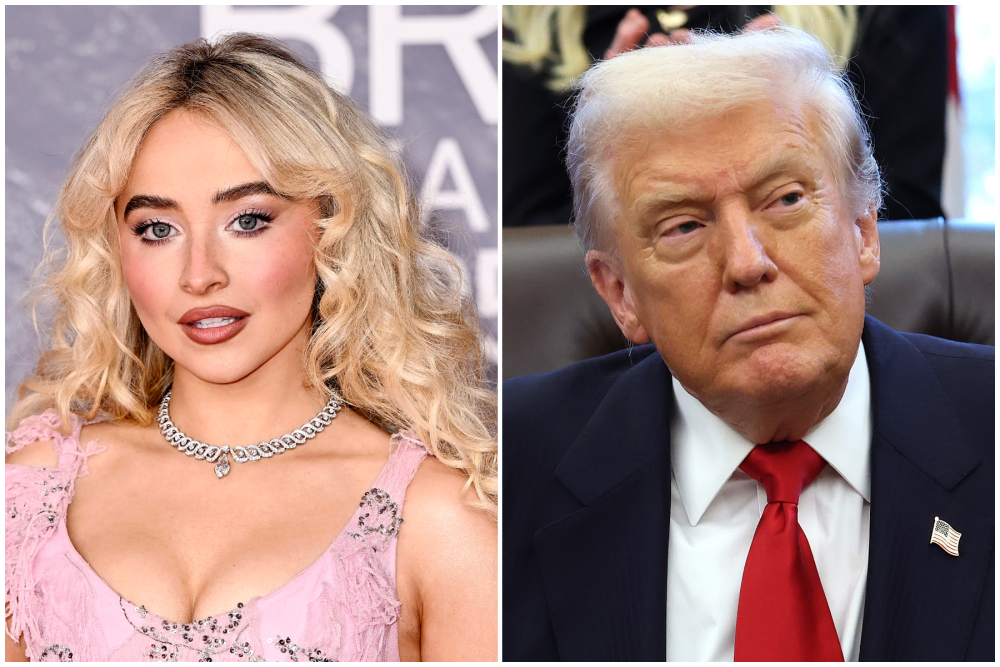
Sabrina Carpenter has strongly condemned the White House for using her song “Juno” in a social media video promoting aggressive ICE deportation raids, telling the Trump administration, “Do not ever involve me or my music to benefit your inhumane agenda.” Her sharp response has ignited a wider debate about politicians using artists’ work without consent and the ethics of pairing pop music with hardline immigration messaging.
What happened
The controversy began when the White House posted a short video on its official X and TikTok accounts featuring ICE officers pursuing and arresting people, set to Sabrina Carpenter’s track “Juno.” The clip, roughly 20 seconds long, cuts between agents tackling and handcuffing individuals while suggestive lines from the song play in the background, turning a pop hit into the soundtrack for a hardline immigration crackdown.
The post was framed as a boastful showcase of President Donald Trump’s intensified deportation drive during his second term, highlighting raids as a central part of his immigration agenda. The video remained live on both X and TikTok hours after backlash started building, helping the clip go viral among both supporters and critics.
Related News

Sabrina Carpenter’s furious response
Sabrina Carpenter reacted directly on X, quote-posting the video and calling it “evil and disgusting,” making clear she wants nothing to do with the administration’s immigration campaign. In the same post, she delivered her now-viral line: “Do not ever involve me or my music to benefit your inhumane agenda,” firmly distancing herself from the policy and the video’s message.

Her representatives declined to elaborate beyond her public statement, underscoring that Carpenter wants her own words to stand as the definitive response. The backlash was amplified by fans and fellow artists, who praised her for taking a clear stance and flooded social media with posts accusing the White House of turning her music into propaganda without consent.
White House defends the video
The White House has refused to back down, instead doubling down in statements that reference Sabrina’s own lyrics back at her. Spokesperson Abigail Jackson issued a combative response, framing the clip as a justified celebration of deporting “dangerous criminal illegal” offenders and insisting the administration would not apologize for its tactics.
Officials also tried to spin the controversy as a political win, suggesting critics of the video care more about the feelings of celebrities than about crime and border security. The administration has given no indication that it plans to remove or edit the video, despite growing criticism from human rights advocates and Carpenter’s fanbase.

Pattern of music used without consent
This is not the first time Trump-world politics have collided with pop culture without the artists’ blessing. In recent months, federal agencies and White House social accounts have repeatedly dropped popular tracks into meme-style clips, including songs by Olivia Rodrigo and Taylor Swift, only to face legal takedowns or angry public statements from the artists.
There is even a dedicated Wikipedia page documenting musicians objecting to Donald Trump’s use of their music, highlighting how often artists push back when their work is linked to hard-right politics or controversial policies. Sabrina Carpenter’s rebuke now joins a growing list of high-profile stars publicly telling the Trump administration to stop using their art as a political soundtrack.
Why Sabrina’s reaction matters
For Sabrina, whose recent success with hits like “Espresso” has turned her into one of pop’s biggest new headliners, the White House video clashes sharply with the playful, campy aesthetic she brings to her shows. On tour, she has used pink fluffy handcuffs in a tongue-in-cheek “arrest” bit during “Juno,” but those same lyrics cut against disturbing real-life scenes of ICE officers tackling migrants.
Her statement also taps into a larger conversation about artistic control in the age of political memes and short-form video, where a 20-second clip can reframe a song’s meaning overnight. By explicitly rejecting any association with what she calls an “inhumane agenda,” Carpenter is drawing a bright line between her brand and Trump’s immigration policies—and signaling to other artists that speaking out is both possible and powerful.