





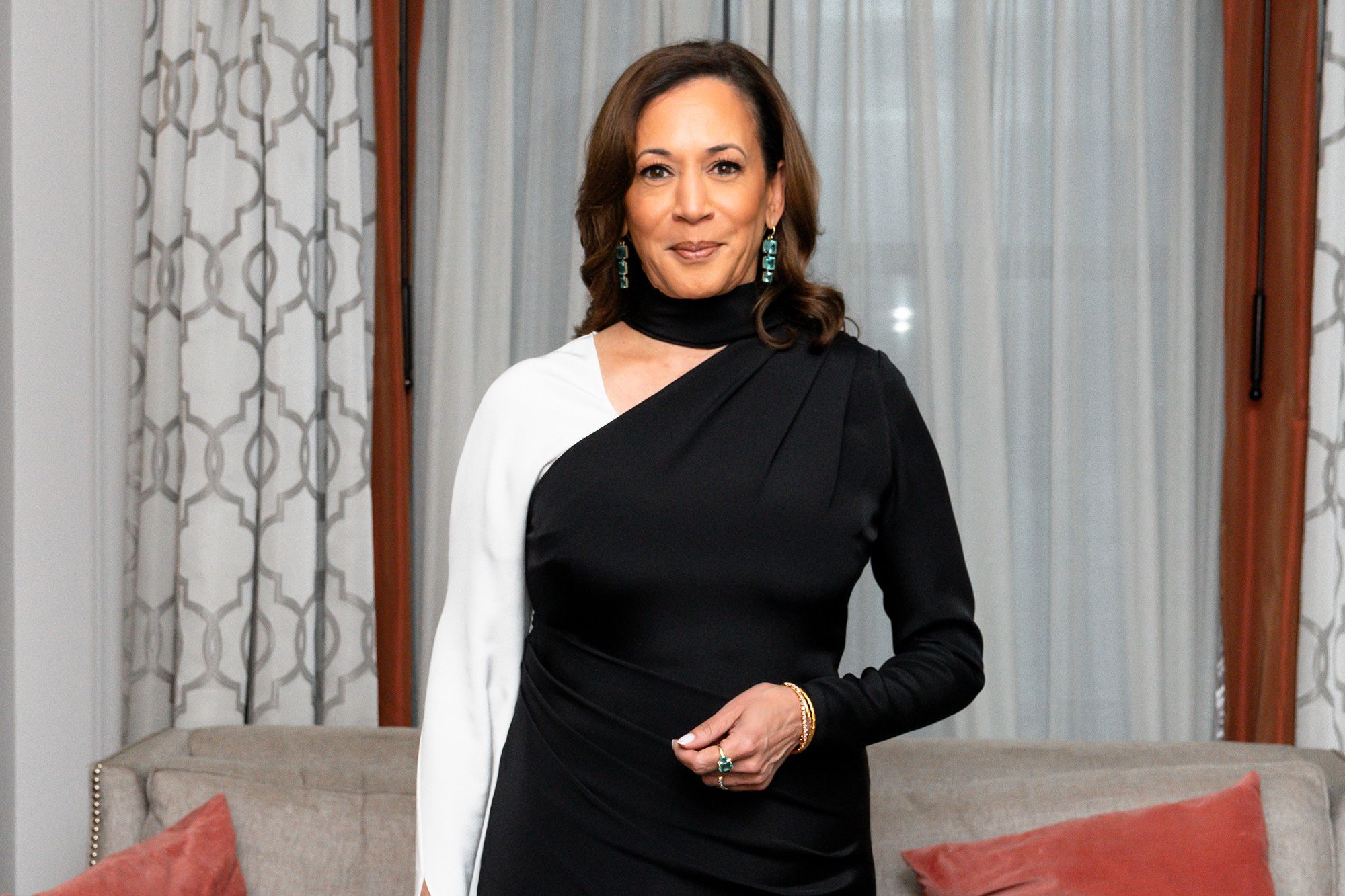
Kamala Harris has publicly backed lowering the U.S. voting age from 18 to 16, arguing that teenagers already live with the consequences of political decisions and deserve a direct say in shaping their future. Her comments have reignited a fierce national debate over youth civic engagement, democratic representation, and electoral strategy in the United States.
## What Kamala Harris Said
In an October 2025 appearance on the podcast “The Diary of a CEO,” former Vice President Kamala Harris said she believes the U.S. should consider reducing the federal voting age to 16. She framed the idea as an example of the “bold” reforms needed in modern democracies, insisting that young people will live longest with the impact of today’s policy choices.
Harris pointed to Generation Z — roughly ages 13 to 27 — as a cohort that has grown up under the shadow of climate change, economic instability, and gun violence, and argued that teens are already politically aware and active. In her view, extending the vote to 16- and 17-year-olds would recognize their stake in issues such as the climate crisis, student debt, and the future of work.
Related News
## Her Case for a Lower Voting Age
Harris’s core argument is that many responsibilities now placed on teenagers justify giving them a formal political voice. Sixteen-year-olds can often work, pay taxes, drive, and shoulder academic and financial choices that shape the rest of their lives, yet they cannot vote for leaders who design the systems they must navigate.



She also highlighted how Gen Z has helped coin and popularize ideas like “climate anxiety,” underscoring the emotional and psychological weight of long-term threats on younger generations. For Harris, lowering the voting age is less about demographics and more about fairness: a society that claims to value youth should also allow them a seat at the ballot box.
## Supporters’ Arguments
Supporters of Harris’s stance say that younger voters could strengthen democracy by bringing fresh perspectives and higher long-term turnout. Research on youth civic engagement shows that teens already participate in protests, online activism, and community organizing, even when they cannot vote.
Advocates also point to international and local precedents where 16-year-olds can vote, arguing that such experiments have not destabilized elections and, in some cases, have encouraged lifelong voting habits. They claim that giving teenagers a ballot would push schools, families, and communities to take civic education more seriously.



## Critics and Political Backlash
The proposal has drawn sharp criticism from conservatives and some moderates who question whether 16-year-olds have the maturity and life experience needed for complex political decisions. Critics warn that younger teens may be more susceptible to peer pressure, social media misinformation, or parental influence in the voting booth.
Right-leaning opponents also accuse Democrats of backing the idea for partisan gain, arguing that younger voters tend to favor more progressive positions on issues like climate change, gun control, and LGBTQ+ rights. Some Republican leaders have rejected lowering the age and instead pushed for tightening election rules.
## What It Would Take to Change the Law
Changing the federal voting age from 18 to 16 would require action from Congress and almost certainly a constitutional amendment, echoing the process that led to the 26th Amendment in 1971, which lowered the voting age from 21 to 18. That amendment was driven by the Vietnam War era argument that “old enough to fight” should mean “old enough to vote,” a slogan now echoed by advocates who see parallels with today’s youth burdens.
Given deep partisan divides, any serious move to implement Harris’s idea nationwide would face steep political and procedural hurdles in Congress and among the states. For now, her comments are more likely to fuel debate, energize youth organizers, and influence local or state-level experiments than to trigger immediate national change.
## Youth Voices and the 2020s Political Landscape
Harris’s remarks land at a time when teenagers are already vocal across social media, climate marches, and gun-control rallies, often criticizing older leaders for moving too slowly on existential issues. Many teens say they feel the election system does not fully represent their interests, even though policies passed today will shape their economic and environmental realities for decades.
By openly endorsing a voting age of 16, Harris is aligning herself with a broader global push to re-imagine who counts as a full political participant. Whether or not the law changes soon, her position ensures that the question of when citizens should gain the right to vote will remain a live and contentious subject in American politics.