





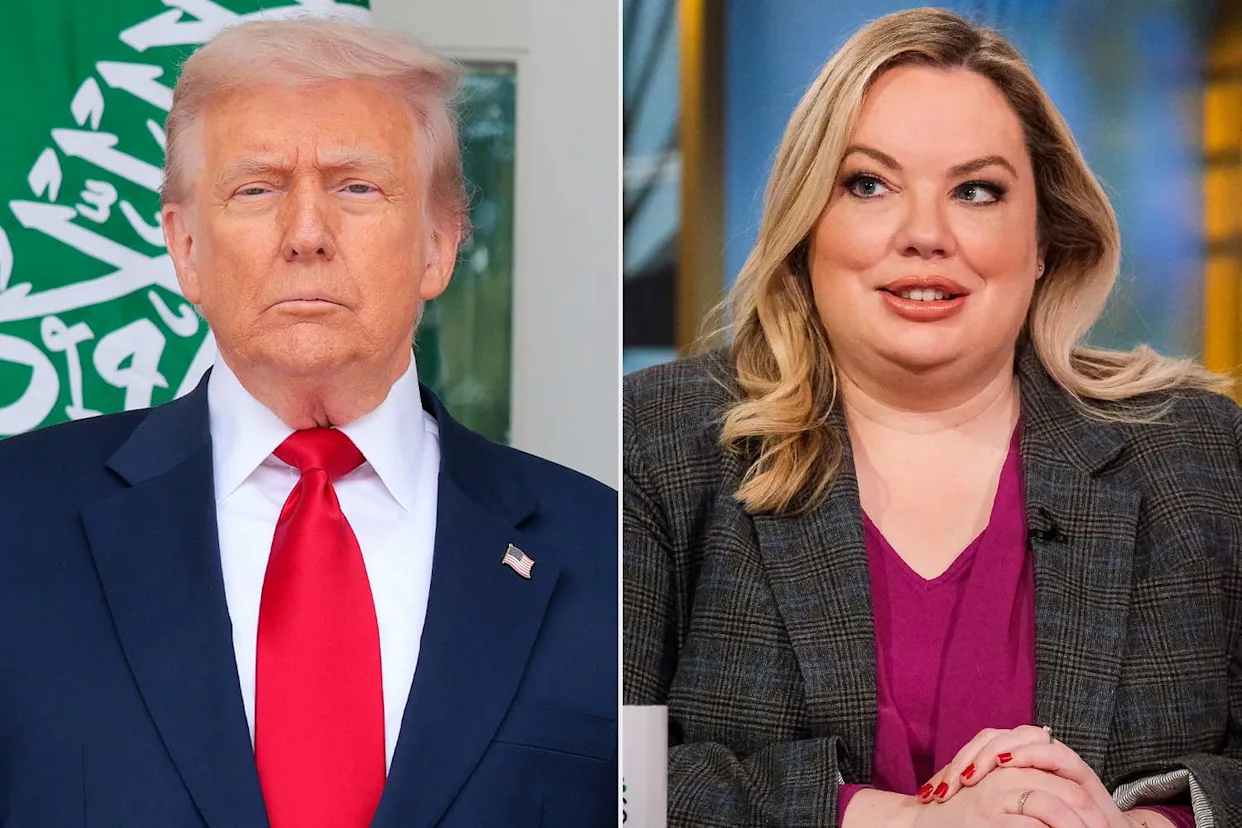
Donald Trump has drawn intense backlash after attacking New York Times White House correspondent Katie Rogers, calling her “ugly, both inside and out” in response to a story about his age and energy levels. The remark has reignited criticism of his pattern of singling out female journalists with personal, appearance-based insults.
What Trump Said
Trump posted on Truth Social lashing out at a New York Times piece that examined whether the now-elderly president is slowing down, branding it a “hit piece” and the paper a failing “rag.”
In the same post, he targeted Katie Rogers by name, calling her “a third-rate reporter who is ugly, both inside and out,” and claiming she is “assigned to write only bad things” about him.
Who Katie Rogers Is


Katie Rogers is a White House correspondent for The New York Times who has covered multiple administrations and is known for reporting on the presidency and first families.
She recently co-authored a data-driven report that highlighted visible signs of Trump’s aging and questioned whether his schedule and public appearances reflect a slower pace, which appears to have triggered his online outburst.
Reaction from The New York Times and Media



The New York Times defended Rogers, stating that its reporting is grounded in firsthand facts and emphasizing that name-calling and personal attacks will not deter its journalists from covering the administration.
Editors, reporters, and media watchdogs condemned Trump’s language as an intimidation tactic and an attack on press freedom, warning that such rhetoric against individual journalists can fuel harassment and threats.
Pattern of Attacks on Female Journalists
This is the latest in a series of sexist and personal insults Trump has directed at women in the press, following previous episodes where he labeled a female reporter “piggy” and mocked others’ looks on national and social media platforms.
Critics argue that by focusing on women’s appearance rather than their work, Trump is reinforcing a gendered double standard that discourages women from entering or staying in political journalism.
Political and Public Backlash
Related News



Trump’s comment has sparked bipartisan criticism from press freedom advocates, women’s rights groups, and many social media users, who describe the attack as “bullying” and “beneath the office of the presidency.”
The controversy adds to ongoing concerns about Trump’s combative relationship with the press, as he continues to brand major outlets “enemies of the people” even while relying on media coverage to shape his political narrative.