






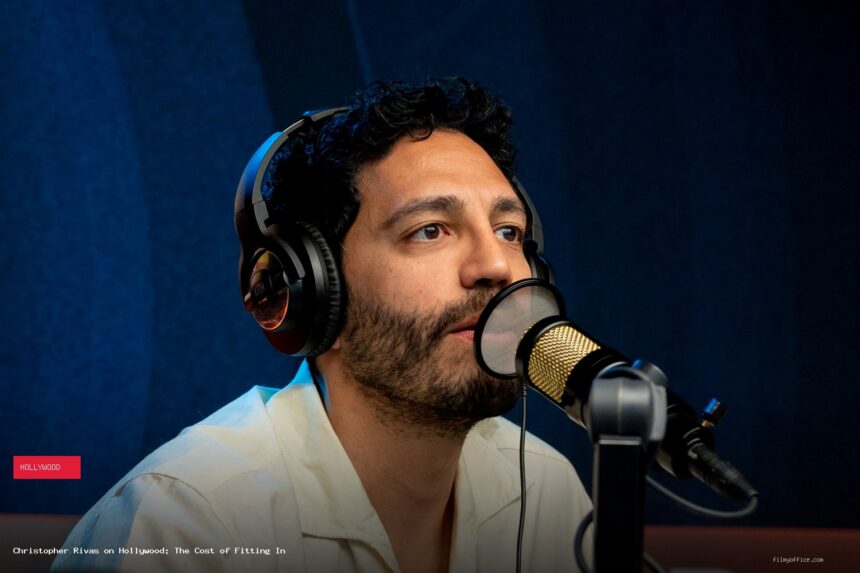
Quick answer: Christopher Rivas described pressure to change his gestures and appearance to meet white Hollywood expectations in a September 2024 personal essay. Recalling a director’s criticism of his hand movements, Rivas argued that meaningful change requires greater decision-making power, not just paid acting opportunities.
Christopher Rivas on Hollywood is an account of the pressure to be distinctive enough to get noticed, yet familiar enough to satisfy the people making casting decisions. In a personal essay published on September 16, 2024, the actor described how that tension reaches beyond performances to his gestures, hair and sense of control over his own body.
Rivas opened with an incident that makes the pressure concrete. While he was using his hands on camera, he recalled a director shouting, “Not so much of the ethnic hands!” His response, whispered to himself while smiling, was: “White hands, Chris, white hands.”
He explicitly described the exchange as a true story. For Rivas, it illustrates an industry that can offer paid work while asking an actor to make parts of himself less visible.
When being chosen means changing yourself
Rivas described acting as a profession built around selection: someone else must decide that he is worthy of portraying a character. Talent is part of that process, but he argued that physical appearance and acceptability to a particular gaze also carry considerable weight.
“When you make a living off your desirability, is the power of your body ever just yours?” he asked. His concern is not simply whether he gets a role, but whose preferences determine the version of himself that can get hired.



He connected that question directly to white decision-making power in Hollywood. In his account, the pressure to appeal to those controlling opportunities leaves him caught between earning a living and resisting the standards attached to that work.
Rivas did not frame a successful acting career as protection against those concerns. Instead, he described a fear that appearing too different from what the industry already accepts could cost him the standing he has worked to achieve.
The pressure to physically code-switch
The essay also returned to a film Rivas made in 2020 about the contradiction of succeeding in Hollywood. Its subject was the demand to stand out while assimilating to whiteness—to be yourself, but only within an acceptable frame.
Hair was one example of how that demand could become physical. Discussing the expectation of resembling the leading men he grew up watching, Rivas wrote: “Step one: calm those curls.” Alongside the director’s instruction about his hands, the line shows why his account of code-switching extends beyond speech.



Rivas placed the film against the backdrop of the George Floyd protests and the corporate conversations about diversity that followed. He recalled companies and Hollywood discussing inclusion and hiring diversity, equity and inclusion professionals, but judged the resulting progress to be modest at best.
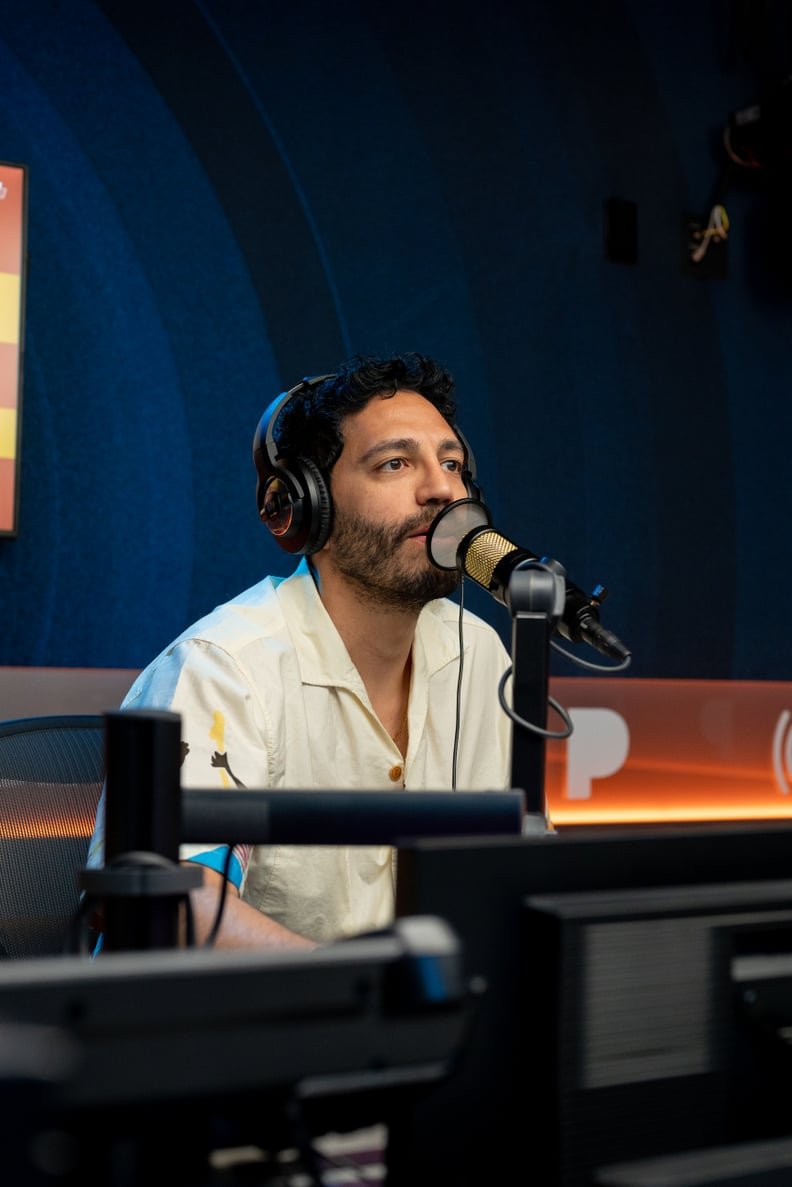
That assessment is his perspective on the changes he witnessed, rather than a detailed accounting of individual companies or hiring programmes. The essay’s central concern remains the distance between public commitments to diversity and the pressure he still feels to fit an established model.
For Rivas, representation also means control
Rivas drew a distinction between receiving a substantial paycheck and having the authority to approve one. Paid opportunities matter to him, but he argued that lasting change requires people who look like him to hold decision-making power, too.
His argument moves beyond visibility on screen. Being selected to appear in a project is not the same as controlling the standards by which performers are selected, valued or asked to alter themselves.
Nor did he claim to have resolved the tension personally. “I’d love to tell you I am 100 percent past caring what they think, but that itch of wondering if I am physically code-switching enough is always in me.”
That admission keeps the account focused on an ongoing experience rather than a neat story of overcoming industry expectations. Rivas describes continuing to work in Hollywood while questioning what acceptance demands—and who has the power to change those demands.
Frequently Asked Questions
What did Christopher Rivas say about pressure to conform in Hollywood?
Rivas described pressure to make his appearance and gestures acceptable to white decision-makers while remaining distinctive enough to secure work. He also expressed fear that departing too far from accepted standards could jeopardise his professional standing.
What does physical code-switching mean in Christopher Rivas’s account?
Rivas’s account concerns pressure to adjust physical expression and appearance, including hand movements and curls. He recalled a director saying, “Not so much of the ethnic hands!” while he was acting on camera.
What change does Christopher Rivas want to see in Hollywood?
Rivas argued that meaningful change requires people who look like him to hold financial and decision-making authority. He distinguished receiving paid acting work from having the power to decide who gets opportunities.