







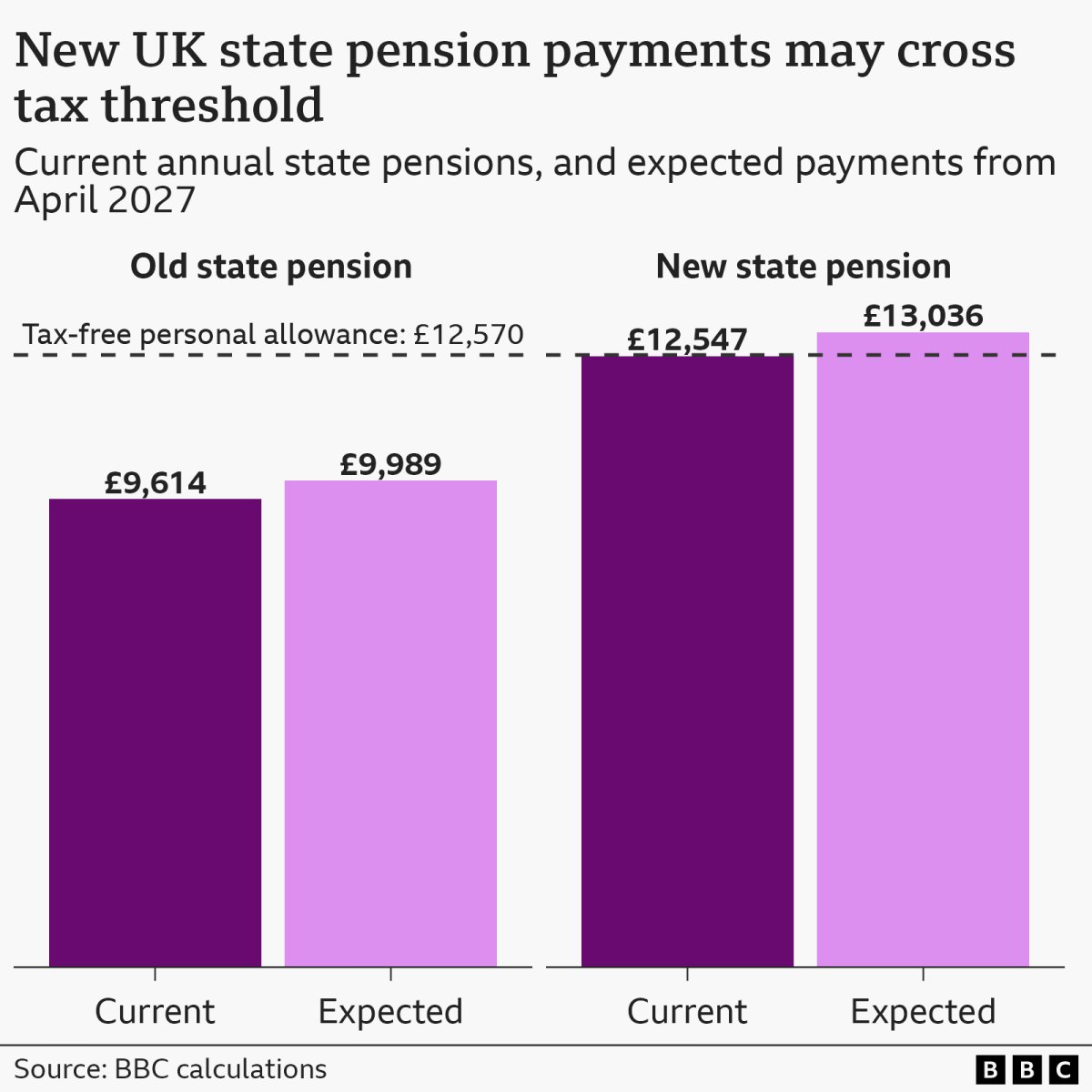
Quick answer: The full UK flat-rate state pension is expected to rise by about £488 in April to £13,036.40 a year. Average wage growth of 3.9%, including bonuses, is likely to determine the triple lock increase, although the projected payment is not yet confirmed.
The next UK state pension increase is expected to take the full, flat-rate payment above £13,000 a year, with pensioners in line for an annual rise of about £488 in April. The projection follows official figures showing average wage growth, including bonuses, slowed to 3.9%.
That slowdown has not removed the prospect of an earnings-linked pension rise. Wage growth is still expected to be the highest of the three measures used under the triple lock, which protects annual increases in the state pension.
The likely uplift has renewed arguments over the policy’s cost and fairness between generations. Labour has pledged to retain the triple lock until 2029, while pensioner groups say many people continue to face poverty in old age.


How much could the full state pension reach?
The full, flat-rate state pension is likely to reach £250.70 a week, equivalent to £13,036.40 a year. This is the pension for people who reached state pension age after April 2016.
The projected annual increase is approximately £488. These figures describe the expected full flat-rate payment, rather than a confirmed increase or a payment that every pensioner will receive.




The distinction matters because the £13,000 milestone refers specifically to that full rate. The available projection does not establish a single annual payment for everyone receiving a state pension.
Why slowing wages still point to a pension rise
The triple lock guarantees that the state pension increases by whichever is highest: average wage growth, inflation or 2.5%. The policy was designed to prevent the pension’s value from falling behind either rising living costs or the incomes of working people.
Office for National Statistics figures show average wage growth, including bonuses, was 3.9% between May and July, down from 4.2% between April and June. Pay growth excluding bonuses was lower, at 3.5%.
The pension projection rests on the 3.9% earnings figure, including bonuses. Wage growth is expected to exceed inflation for the next calculation, making earnings the likely basis for April’s increase.
Related News



Slower wage growth therefore does not mean a pension cut. Under the triple lock, the comparison is between the three measures used to determine the annual uplift, not simply whether earnings growth has accelerated or eased.
The cost and fairness debate
State pension spending already stands at £154 billion this year. Although the state pension age is rising to 67, the government’s costs have also increased considerably, prompting renewed scrutiny ahead of the Budget.
Ruth Curtice, chief executive of the Resolution Foundation think tank, described the policy as “crazy,” arguing that it creates a “ratchet effect” in which “pensioners’ living standards grow even faster than just a typical worker,” she said.
“Pensioners have seen living standards grow three times more than typical workers over the last 20 years.” Her criticism centres on the different experience of pensioners and working-age people, rather than just the size of the next annual rise.
Jonathan Cribb, deputy director of the Institute for Fiscal Studies, highlighted how successive increases affect the longer-term spending outlook. He said: “Each increase in spending builds upon the last and so the long-run cost is substantial but very uncertain.”
Pensioner groups point to a different concern: many people still experience poverty in old age. That places the question of adequate retirement income alongside the debate over affordability and generational fairness.
Labour’s manifesto commitment remains to keep the triple lock until 2029. For now, the immediate prospect is a full flat-rate pension above £13,000 a year from April, with the precise increase still described as expected rather than confirmed.
Frequently Asked Questions
How much could the full UK state pension reach in April?
The full, flat-rate state pension is expected to reach £250.70 a week, or £13,036.40 a year, an annual increase of about £488. The projection applies to the full flat-rate pension for people who reached state pension age after April 2016.
What is the state pension triple lock?
The triple lock guarantees an annual state pension increase based on average wage growth, inflation or 2.5%, whichever is highest. Labour pledged in its manifesto to retain the policy until 2029.
Why could wage growth determine the next pension increase?
Average wage growth including bonuses was 3.9% between May and July, down from 4.2% between April and June. Earnings growth is expected to exceed inflation for the next pension calculation and is above the triple lock’s 2.5% minimum.